


Car waxing is an essential part of vehicle maintenance that not only enhances the aesthetic appeal of your vehicle but also provides vital protection against the elements. This comprehensive guide will delve into the various techniques of waxing that have been developed over the years, as well as the myriad benefits it offers to car owners. Understanding the importance of waxing can help you keep your vehicle in pristine condition and prolong its lifespan.
Waxing your car is more than just a cosmetic upgrade; it creates a protective layer over the paint, safeguarding it from harmful UV rays, dirt, bird droppings, and other environmental contaminants. A good wax job can significantly reduce the frequency of washes while maintaining a brilliant shine. Furthermore, regular waxing can help preserve the resale value of your vehicle, making it a smart investment for car enthusiasts and everyday drivers alike.
This guide will cover different types of wax, including natural and synthetic options, as well as various application techniques, tips for achieving the best results, and the optimal frequency for waxing your car. By following these guidelines, you can ensure that your vehicle not only looks great but also remains protected for years to come.
Step-by-Step Car Waxing Process for Optimal Shine
Achieving a brilliant shine on your car through proper waxing requires careful attention to detail. Follow these steps for optimal results:
1. Gather your Supplies: Before starting, ensure you have all necessary materials: high-quality car wax, wax applicator pads, soft microfiber towels, and a bucket with car wash soap. Having your tools ready will streamline the process.
2. Wash the Car: Begin by washing your car thoroughly to remove dirt, grime, and any previous wax residue. Use a pH-balanced car wash soap and rinse well. This step is crucial for preparing the surface for waxing.
3. Dry Completely: After washing, dry your car thoroughly with a clean microfiber towel. This prevents water spots and ensures the wax adheres properly during application.
4. Inspect the Surface: Check for imperfections such as scratches or swirl marks. If present, consider polishing the surface before waxing to create an even and flawless finish.
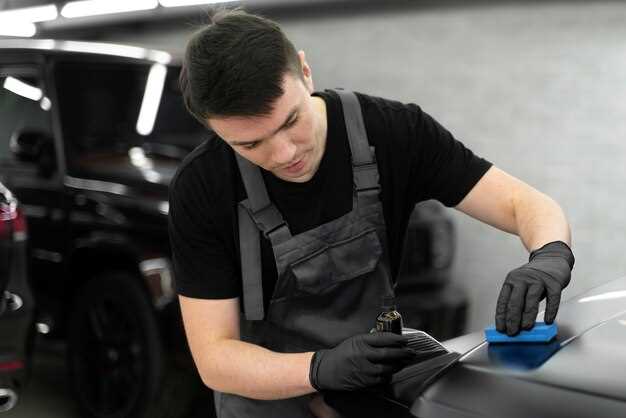
5. Apply Wax: Using a wax applicator pad, apply a thin layer of wax to one section at a time. Start from the roof and work your way down, applying in straight lines or overlapping circles. Avoid applying too much wax, as a thin layer is more effective.
6. Let it Haze: Allow the wax to dry and haze over as per the manufacturer’s instructions. Typically, this takes a few minutes. Hazy wax indicates it’s ready to be buffed.
7. Buff the Wax: Using a clean, dry microfiber towel, gently buff the waxed area. Use circular motions to achieve a uniform shine. Ensure you remove all residue for a glossy finish.
8. Repeat: Continue the waxing process on sections of the car until the entire vehicle is treated. Always work on one area at a time to maintain control and consistency.
9. Final Touches: After completing all sections, inspect the car for missed spots or leftover wax residue. Touch up as needed to ensure an even shine across the surface.
10. Optional – Additional Layers: For enhanced protection and shine, consider applying a second layer of wax after a few hours of the first application. This can improve the depth and longevity of the shine.
Following these steps will not only ensure an optimal shine but also protect your car’s paint from environmental elements. Regular waxing maintains your vehicle’s appearance while extending the life of its finish.
Choosing the Right Wax: Types and Their Unique Benefits

When it comes to car maintenance, selecting the appropriate wax is crucial for achieving that perfect finish and protection. Various types of wax offer different benefits, catering to diverse needs and preferences.
Carnauba Wax is one of the most popular choices for car enthusiasts. Sourced from the leaves of the Brazilian Carnauba palm, it provides a deep, glossy shine and excellent water beading. Its natural composition makes it safe for paint, but it requires regular reapplication to maintain its protective qualities. Carnauba wax is often combined with other polishing agents to enhance its durability.
Synthetic Wax, or polymer wax, is formulated from man-made materials. It delivers long-lasting protection and often boasts superior resistance to environmental factors like UV rays and contaminants. Synthetic wax usually requires less frequent application compared to Carnauba, making it ideal for those looking for convenience without sacrificing shine.
Hybrid Wax combines the best features of Carnauba and synthetic wax formulas. This type offers a rich, reflective finish while benefiting from the durability of synthetic ingredients. Hybrid wax is a suitable choice for those who want both the aesthetic appeal of natural wax and the long-lasting protection of synthetic products.
Spray Wax is designed for quick touch-ups and maintenance between full waxing sessions. It is user-friendly and provides a nice shine with minimal effort. While it doesn’t offer the same level of protection as traditional waxes, spray wax can enhance the gloss and extend the life of a more robust wax layer.
Paste Wax often comes in a jar and is known for its thick consistency. It typically contains a higher concentration of wax and is favored for its ability to provide a deep shine and substantial protection. The application process can be more labor-intensive, but the results are often worth the effort.
In conclusion, the right wax choice depends on individual needs and conditions. Whether you prioritize longevity, ease of use, or that high-gloss finish, understanding the unique benefits of each wax type helps in making an informed decision for maintaining your vehicle’s appearance.
Common Mistakes in Car Waxing and How to Avoid Them
Waxing your car can significantly enhance its appearance and provide protection against environmental elements. However, many car owners make mistakes during the waxing process that can lead to suboptimal results. Here are some common mistakes to avoid:
1. Not Preparing the Surface: One of the most critical steps before waxing is preparing the car’s surface. Failing to wash and dry the vehicle thoroughly can lead to trapped dirt and contaminants under the wax. To avoid this, always start with a clean surface using a high-quality car wash soap.
2. Waxing in Direct Sunlight: Applying wax in direct sunlight can cause the product to dry too quickly, making it difficult to buff out evenly. Ideally, wax your car in a shaded area or during cooler parts of the day to ensure a smooth application.
3. Using the Wrong Wax: Different types of wax serve various purposes. Some are formulated for long-lasting protection, while others enhance shine. Using the wrong product can lead to ineffective results. Choose a wax that meets your specific needs and follow the manufacturer’s recommendations.
4. Applying Too Much Wax: Less is often more when it comes to waxing. Applying too much wax can make it challenging to buff off and may leave a hazy finish. Use a small amount of product and apply it in thin, even layers for better results.
5. Neglecting to Buff Properly: Failing to buff the wax properly can result in streaks and cloudiness on the surface. Use a high-quality microfiber towel to buff out the wax, using circular motions to achieve an even shine.
6. Ignoring the Right Tools: Using the wrong applicators can lead to uneven application and unsatisfactory results. Always opt for dedicated waxing applicators that are soft and designed for this specific task.
7. Waxing Too Often: While waxing is essential for maintaining your car’s finish, over-waxing can cause buildup that is difficult to remove. Follow a regular waxing schedule based on your environment and the type of wax used, typically every three to six months.
By being aware of these common mistakes and taking proactive measures, you can achieve a brilliant shine while providing optimal protection for your vehicle.


