


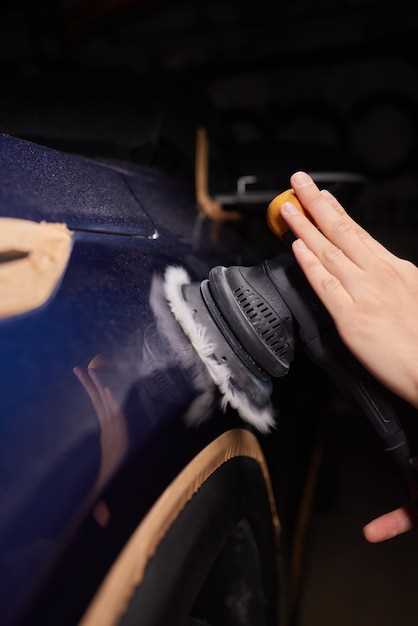
Buffing and polishing are essential techniques for any car enthusiast or detailer aiming to restore and maintain the pristine appearance of a vehicle. Understanding the right methods and products is crucial to achieving a flawless finish without causing damage to the paintwork. This comprehensive guide will delve into the intricacies of polishing, including the tools you’ll need, the optimal techniques to use, and common pitfalls to avoid.
At its core, polishing is designed to remove imperfections in the paint, such as scratches, swirl marks, and oxidation. This process not only enhances the car’s appearance but also protects the paint from environmental factors. Learning how to effectively buff and polish will empower you to take your vehicle’s aesthetic to the next level while ensuring that you preserve the integrity of the paint surface.
In this article, you will discover step-by-step instructions and expert tips that will transform your approach to car detailing. Whether you’re a novice or have experience in the field, mastering these polishing techniques can elevate your skill set and leave you with stunning results that will impress both yourself and others. Prepare to dive into the world of car care and unlock the secrets to achieving a mirror-like finish on your vehicle.
Choosing the Right Buffing Pads and Compounds
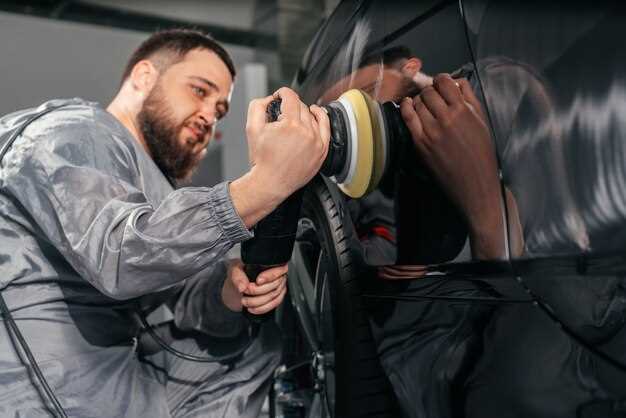
When it comes to mastering the art of polishing, selecting the appropriate buffing pads and compounds is crucial for achieving the best results. The right combination can enhance the effectiveness of your buffing process, leading to a flawless finish.
First, consider the material and firmness of the buffing pads. Soft pads are ideal for applying waxes and sealants, providing a gentle touch that helps to protect the paint. Conversely, firmer pads are designed for heavy cutting and correction work, making them suitable for removing scratches and imperfections. The thickness of the pads also plays a role; thicker pads can conform better to the surface, ensuring even pressure distribution during the polishing process.
Next, it’s important to choose the right compound based on the condition of the vehicle’s surface. Compounds are typically categorized as cutting, polishing, or finishing. Cutting compounds are aggressive and effective for heavy defects, while polishing compounds work to refine the surface after the initial cutting phase. Finishing compounds, on the other hand, are used for the final stages to achieve a high-gloss shine. Matching the compound to the pad’s aggressiveness will provide optimal results.
Another factor to consider is the type of paint on the vehicle. Different paint systems may respond uniquely to various compounds and pads. It is essential to test your chosen combination on a small, inconspicuous area to assess compatibility and effectiveness before proceeding with larger sections.
Lastly, don’t overlook the importance of maintaining your pads. Regular cleaning and conditioning extend their lifespan and performance. Using a dedicated pad cleaning solution after each use will prevent product buildup and ensure you achieve the desired polishing results every time.
In summary, the process of buffing and polishing requires careful selection of pads and compounds, tailored to the specific needs of the vehicle and the desired outcome. By understanding these elements, you can significantly elevate your detailing skills and achieve professional results.
Step-by-Step Process for Achieving a Flawless Finish
Achieving a flawless finish on your vehicle requires a systematic approach to buffing and polishing. Follow these steps to ensure a professional-level result.
1. Preparation: Start by thoroughly washing your car to remove dirt and debris. Use a high-quality car shampoo and a soft microfiber wash mitt. After washing, dry the surface with microfiber towels to prevent water spots.
2. Inspect the Surface: Examine the paint for imperfections such as scratches, swirl marks, and oxidation. This will help you determine the necessary products and techniques to use during buffing.
3. Choose the Right Products: Select a suitable polishing compound and buffing pad based on the condition of your car’s paint. For minor imperfections, a light polish with a soft pad may suffice. For deeper scratches, opt for a more aggressive compound and a firmer pad.
4. Buffing Technique: Attach the buffing pad to your dual-action polisher. Apply a small amount of polishing compound to the pad and spread it evenly onto the panel before turning on the machine. Use a low speed to begin and gradually increase it. Work in sections, using overlapping passes to ensure even coverage.
5. Check for Progress: After buffing each section, wipe the surface with a clean microfiber towel. Inspect the area to gauge your progress and determine if additional polishing is necessary. Repeat the buffing process as needed, focusing on areas with more significant imperfections.
6. Final Polish: Once you achieve the desired level of correction, switch to a finer polish and a soft pad. This final step enhances the gloss and clarity of the paint. Use the same technique as before, ensuring a smooth, even application.
7. Protection: After buffing and polishing, apply a high-quality wax or sealant to protect the finish. This will add depth and shine while providing a barrier against environmental contaminants.
By following this step-by-step process, you can achieve a flawless finish on your vehicle that not only looks stunning but also lasts longer.
Common Mistakes to Avoid During Buffing and Polishing
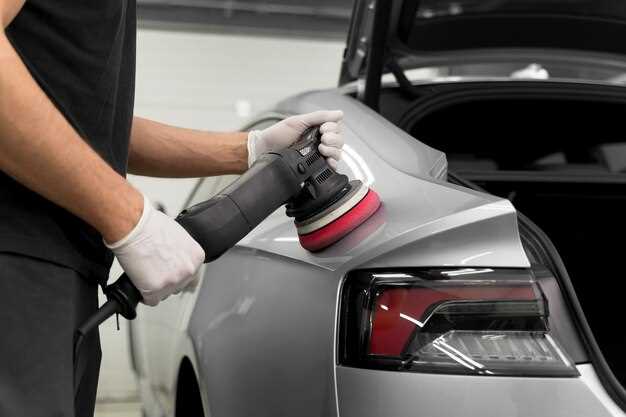
When it comes to buffing and polishing your car, avoiding common pitfalls is essential for achieving a perfect finish. One of the most frequent mistakes is using the wrong pad or product. Each type of polish and pad serves a specific purpose, and mismatching them can lead to ineffective results or even damage to the paint.
Another critical error is insufficient surface preparation. Failing to thoroughly wash and decontaminate the car’s surface can result in scratches and swirls becoming more prominent during the buffing process. Always ensure that the surface is clean and dry before applying any product.
Neglecting to test in an inconspicuous area is also a common mistake. Before applying a new compound or polish on the entire surface, it’s wise to test it on a small, hidden section. This practice ensures compatibility with your car’s paint and allows you to evaluate the effects without risking visible damage.
Over-buffing is yet another issue that many enthusiasts encounter. Buffing for too long can generate excessive heat, which may burn the paint or create uneven surfaces. It’s important to monitor your technique and keep the buffer moving to avoid this problem.
Furthermore, failing to use the right technique can drastically affect the outcome. Applying too much pressure or buffing in one direction can create uneven results. Instead, use light pressure and work in overlapping, circular motions to ensure a consistent finish.
Lastly, many overlook the importance of proper product removal. After buffing, it’s crucial to thoroughly wipe down the surface to eliminate any residue. Residue left behind can attract dirt or cause a dull appearance over time.
By avoiding these common mistakes, you can master the art of buffing and polishing, ensuring a flawless and long-lasting finish for your vehicle.


