



Engine misfires are a common issue that can significantly impact vehicle performance and efficiency. A misfire occurs when one or more cylinders in the engine fail to ignite the fuel-air mixture at the proper time, leading to a loss of power, increased emissions, and potential long-term damage to engine components. Understanding the signs and causes of engine misfires is crucial for any vehicle owner who wants to maintain optimal engine health.
Identifying the symptoms of misfires is the first step towards effective troubleshooting. Common indicators include rough idling, a noticeable decrease in acceleration, and the presence of a check engine light. These symptoms can arise from various factors, such as faulty spark plugs, fuel delivery issues, or vacuum leaks. Early detection and intervention can prevent more complex and costly repairs down the line.
Fortunately, many engine misfire issues can be resolved with relative ease. Regular maintenance, such as replacing spark plugs and fuel filters, plays a vital role in preventing misfires. Additionally, diagnosing the root cause of misfires and addressing them promptly can save vehicle owners both time and money. Understanding how to identify and rectify engine misfires is essential for maintaining a smooth and efficient driving experience.
Common Symptoms of Engine Misfires to Look For
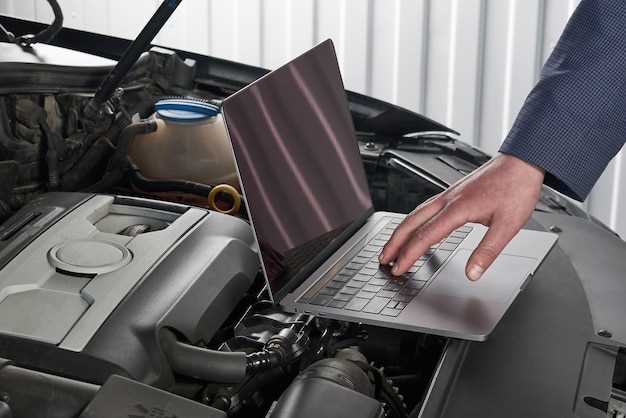
Engine misfires can lead to poor vehicle performance and can indicate underlying issues that need urgent attention. Identifying the symptoms early can save time and money on repairs. Here are some common signs of engine misfires:
- Rough Idling: The engine may shake or vibrate when idling, indicating that one or more cylinders are not firing properly.
- Uneven Acceleration: When you press the accelerator, the engine may hesitate, stumble, or fail to respond smoothly, suggesting a misfire condition.
- Decreased Fuel Efficiency: An engine that misfires may consume more fuel than normal, leading to reduced mileage and increased expenses at the pump.
- Illuminated Check Engine Light: A warning light on the dashboard can indicate engine misfires, often accompanied by error codes that require a diagnostic tool to interpret.
- Engine Backfiring: If the engine backfires or makes popping sounds, it can signify that unburned fuel is igniting in the exhaust system due to a misfire.
- Increased Emissions: Misfiring engines often produce more pollutants, which can lead to failing emissions tests and contribute to environmental concerns.
Being aware of these symptoms can help diagnose engine misfires early, allowing for appropriate solutions to be implemented. Regular maintenance and timely inspections are essential for keeping the engine running smoothly.
Tools and Techniques for Diagnosing Engine Misfires

Diagnosing engine misfires effectively requires a combination of specialized tools and systematic techniques. A thorough understanding of these elements is essential for automotive technicians to identify and resolve issues promptly.
1. On-Board Diagnostics (OBD-II) Scanner: The first step in diagnosing an engine misfire often involves using an OBD-II scanner. This tool connects to the vehicle’s diagnostic port and retrieves trouble codes stored in the Engine Control Unit (ECU). Specific misfire codes, such as P0300 for random misfire or P0301 for cylinder 1 misfire, can direct technicians toward the root cause.
2. Multimeter: A multimeter is invaluable for testing electrical components related to the ignition system. Technicians can measure voltage, resistance, and continuity in spark plugs, ignition coils, and wiring to identify faulty parts that may contribute to a misfire.
3. Compression Tester: Using a compression tester helps assess the internal conditions of each engine cylinder. Low compression can indicate issues such as worn piston rings, damaged valves, or a blown head gasket. By comparing compression readings across cylinders, technicians can pinpoint issues more effectively.
4. Vacuum Gauge: A vacuum gauge can provide insights into engine performance and help detect misfires. Fluctuations or low readings on the gauge may indicate vacuum leaks or other underlying issues affecting combustion efficiency.
5. Fuel Pressure Gauge: Ensuring the fuel system is functioning correctly is vital for smooth engine operation. A fuel pressure gauge allows technicians to measure fuel pressure against manufacturer’s specifications, identifying potential problems in the fuel delivery system that could lead to misfires.
6. Visual Inspection: While tools are critical, a thorough visual inspection of the engine compartment can often uncover issues leading to misfires. Technicians should look for signs of wear, damage to wiring, loose connections, or leaks in hoses and gaskets.
7. Oscilloscope: For advanced diagnostics, an oscilloscope can analyze the electrical waveforms from ignition signals. This tool allows technicians to visualize real-time data, providing insights into the performance of ignition components and assisting in the detection of intermittent misfires.
Implementing these tools and techniques systematically increases the likelihood of identifying the specific causes of engine misfires. A careful approach ensures accurate diagnosis and efficient repair, ultimately enhancing vehicle performance and reliability.
Step-by-Step Guide to Repairing Engine Misfires
Engine misfires can lead to poor performance, decreased fuel efficiency, and increased emissions. Repairing these misfires requires a systematic approach to identify and resolve the underlying issues. Follow this step-by-step guide to effectively address engine misfires.
Step 1: Diagnose the Misfire
Start by using an OBD-II scanner to check for diagnostic trouble codes (DTCs). Common codes for misfires include P0300 to P0308, which indicate random or specific cylinder misfires. Take note of any codes displayed as they will guide your repair process.
Step 2: Inspect Spark Plugs
Remove the spark plugs and inspect them for wear, carbon build-up, or damage. Worn or fouled spark plugs can cause misfires. Replace any defective plugs with new ones that meet the manufacturer’s specifications.
Step 3: Check Ignition Coils
If the spark plugs are in good condition, proceed to inspect the ignition coils. Test each coil using a multimeter to ensure they are functioning correctly. Replace any faulty coils to restore proper ignition timing.
Step 4: Examine Fuel Injectors
Clean and test the fuel injectors for clogs or malfunctions. A malfunctioning injector may lead to an inconsistent fuel supply, resulting in a misfire. Replace or clean any injectors that are not performing as expected.
Step 5: Assess Air Intake and Vacuum Leaks
Inspect the air intake system for obstructions or leaks. A vacuum leak can disrupt the air-fuel mixture, leading to misfires. Check hoses, gaskets, and throttle body for any signs of wear or damage and repair as needed.
Step 6: Check Compression
Perform a compression test on the affected cylinders. Low compression can indicate issues such as valve problems or piston ring wear, which may require more extensive repairs or even engine rebuilds.
Step 7: Reassemble and Test Drive
After addressing the identified issues, reassemble all components and clear any trouble codes using the OBD-II scanner. Take the vehicle for a test drive to ensure the misfire has been resolved and monitor performance closely.
Following these steps will help you effectively repair engine misfires, restoring your vehicle’s performance and efficiency. If issues persist after completing these steps, it may be necessary to consult a professional mechanic for further diagnosis.

