



Understanding the nuances between wheel balancing and alignment is essential for maintaining vehicle performance and ensuring safety on the road. While these two services are often mentioned together, they serve distinct purposes that affect your vehicle’s handling, tire longevity, and overall driving experience.
Wheel balancing primarily addresses the distribution of weight across the wheels, ensuring they spin uniformly. Proper balancing prevents uneven tire wear and vibrations, resulting in a smoother ride. This service is particularly crucial after tire installation or rotation, as even minor imbalances can lead to significant issues over time.
On the other hand, wheel alignment focuses on the angles of the wheels in relation to the vehicle’s frame and each other. Correct alignment ensures that all wheels are parallel and perpendicular to the ground, which optimizes handling and tire wear. Misalignment can occur due to various factors such as potholes or curb impacts, leading to problems like drifting and uneven tire degradation.
Identifying the Signs That Your Wheels Need Balancing
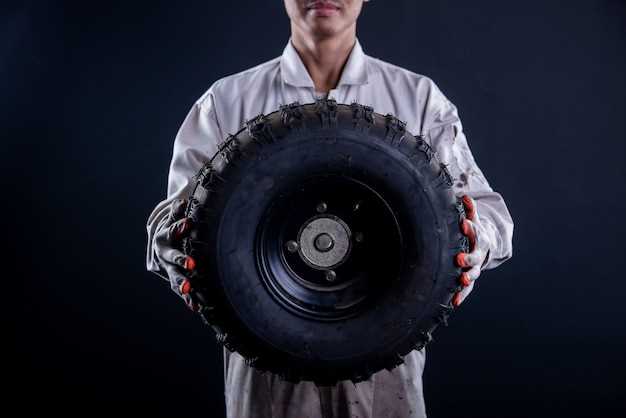
Proper wheel balancing is crucial for optimal vehicle performance and safety. Failing to address imbalances can lead to various issues that impact the driving experience. Here are key indicators that your wheels may need balancing:
- Vibration in the Steering Wheel: One of the most common signs of unbalanced wheels is noticeable vibrations in the steering wheel, particularly at higher speeds. This can make driving uncomfortable and may indicate that your wheels are not properly balanced.
- Uneven Tire Wear: If you notice that your tires are wearing unevenly, it may be due to improper wheel balancing. An imbalance can cause certain areas of the tire to bear more weight than others, leading to rapid deterioration.
- Noisy Ride: An unusual noise while driving, especially at higher speeds, can signal that your wheels are out of balance. This may manifest as a humming or thumping sound that corresponds with the rotation of the tires.
- Pulling to One Side: While this is often associated with alignment issues, unbalanced wheels can also contribute to a vehicle pulling to one side. It’s essential to check both alignment and balancing when experiencing this symptom.
- Difficult Handling: If you experience difficulty steering or maintaining control of the vehicle, it could be due to imbalanced wheels. This may affect the overall alignment of your vehicle’s handling characteristics.
Regular maintenance and monitoring of these signs can help ensure that your wheels are balanced properly, which contributes to better alignment, enhanced performance, and prolonged tire life.
Understanding How Wheel Alignment Affects Vehicle Handling
Wheel alignment refers to the adjustment of a vehicle’s suspension components, ensuring that the wheels are set to the optimum position concerning the road and each other. Proper alignment is crucial because it directly influences the handling characteristics of a vehicle. When wheels are aligned correctly, the vehicle responds predictably to steering inputs, providing enhanced stability during maneuvers.
Misalignment can lead to noticeable changes in vehicle handling. For example, a vehicle with improper alignment may drift to one side, requiring constant adjustment of the steering wheel to maintain a straight path. This not only makes driving more difficult but also increases driver fatigue. Additionally, poor alignment can cause uneven tire wear, impacting the overall performance and safety of the vehicle.
The effects of misalignment on handling extend beyond steering responsiveness. A vehicle may experience compromised traction, particularly during cornering or braking. When wheels are misaligned, the contact patch with the road can be reduced, leading to diminished grip. This is critical in adverse weather conditions, where precise handling is necessary for safe operation.
Furthermore, wheel alignment contributes to overall ride comfort. Properly aligned wheels minimize vibrations and bumps felt within the cabin, resulting in a smoother driving experience. Drivers can enjoy greater confidence in their vehicles when they know that alignment has been maintained.
Regularly checking and adjusting wheel alignment is essential for keeping handling optimal. Even minor knocks or potholes can throw a vehicle’s alignment off, so a periodic inspection can prevent handling issues from arising and prolong tire life. Overall, understanding how wheel alignment affects vehicle handling underscores its importance in maintaining safety, performance, and comfort on the road.
Choosing Between Wheel Balancing and Alignment: When to Do Each

Understanding when to perform wheel balancing and when to seek wheel alignment is crucial for maintaining the longevity and performance of your vehicle.
Wheel balancing is typically needed when you notice vibrations in the steering wheel or your seats while driving, especially at higher speeds. These vibrations often indicate that the weight distribution across the wheel and tire assembly is uneven. To address this issue, a technician will add small weights to the wheel to ensure it rotates evenly, which not only enhances ride comfort but also extends tire life.
On the other hand, wheel alignment should be considered if your vehicle pulls to one side or if the steering wheel appears off-center when driving straight. Additionally, uneven tire wear patterns can indicate that your wheels are misaligned. Proper alignment ensures that all four wheels are set to the manufacturer’s specifications, improving handling and fuel efficiency.
It is advisable to perform wheel balancing any time you install new tires or have tires rotated. Conversely, wheel alignment should be checked periodically, especially after hitting a significant pothole or curb, to maintain optimal driving conditions.
In summary, if you’re experiencing vibrations, consider wheel balancing, while issues with steering or uneven tire wear suggest a need for wheel alignment. Regular checks for both can prevent costly repairs in the future.


